Outdoor Grilling Spots & Tips for Texas Climate
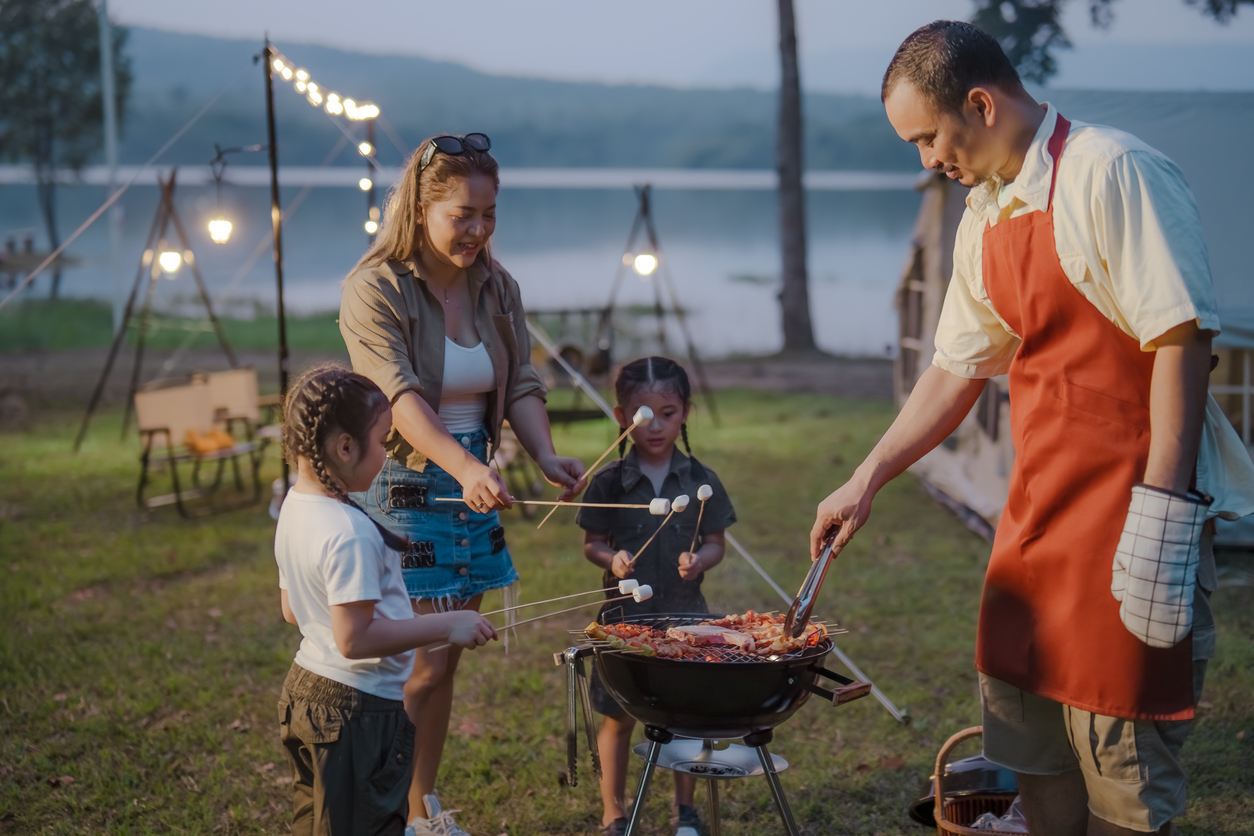
When grilling in Texas’s intense climate, safety and preparation matter just as much as your cooking technique. Always check local burn bans and park regulations before grilling, especially during drought conditions. Keep your grill on a stable surface, away from structures and vegetation, and never use it in enclosed spaces like garages or balconies where prohibited. With the right setup and awareness, you can grill safely and enjoy outdoor cooking year-round across Texas parks and backyards.
Keep Your Grill Safely Positioned: Clearance Guidelines in Texas
When you fire up your grill in Texas, maintaining safe distance from structures is essential. While specific clearance rules vary by city and county, most fire departments recommend keeping grills at least 10 feet away from buildings, fences, and overhanging branches. Some local guidelines may allow shorter distances for charcoal grills on non-combustible surfaces like concrete, but this is not universal. Always check your local fire code or park rules before setting up. Position your grill on a flat, stable surface and away from dry grass or brush. Keep a bucket of water or a fire extinguisher nearby, and never place grills under covered patios or low-hanging roofs where heat and smoke can accumulate.
Safety Differences Between Gas, Charcoal, and Smoker Grills in Texas
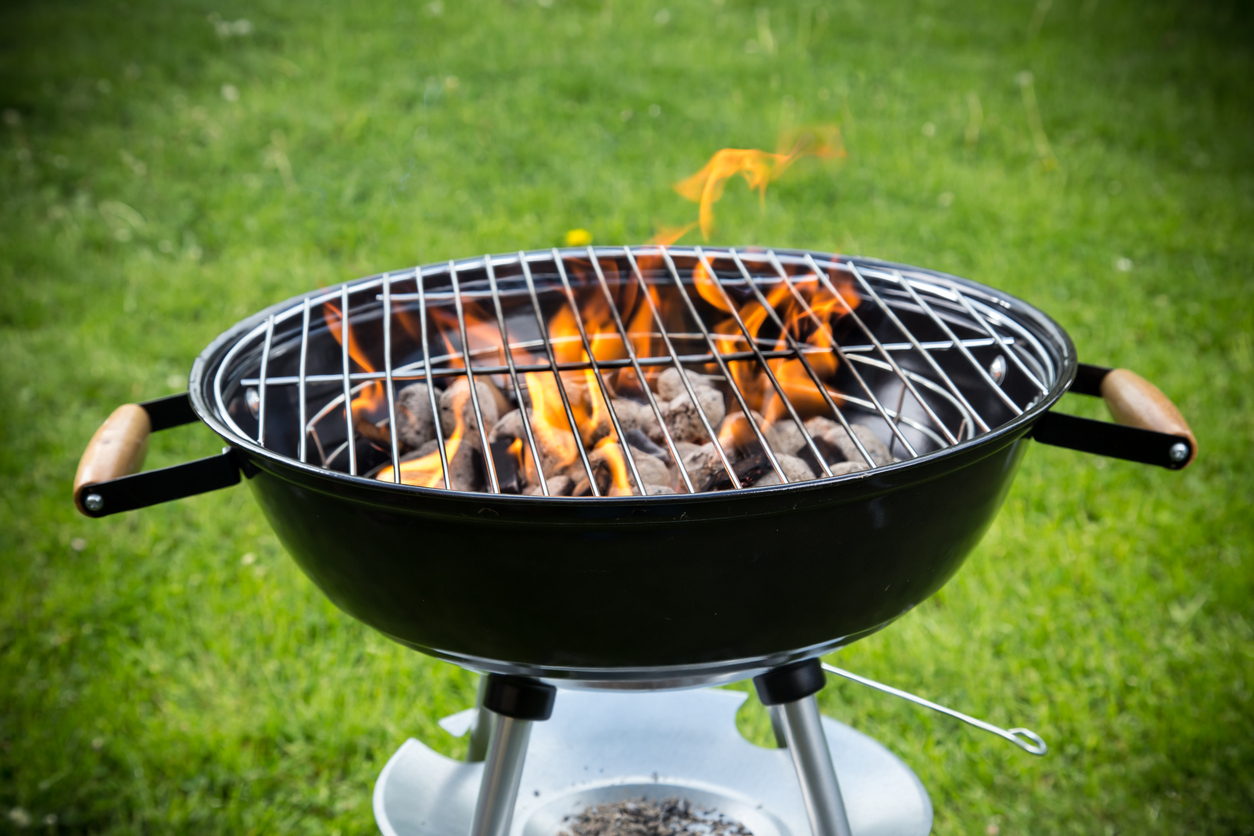
Different grill types require different safety considerations, especially in Texas heat and wind conditions. Gas grills should be checked for leaks before each use by inspecting hoses and connections. Always store propane tanks outdoors and away from direct heat sources. Charcoal grills require proper lighting methods—use only approved starter fluids or chimney starters. Never use gasoline or other accelerants. Smokers and wood-burning grills produce more smoke and require additional spacing to avoid creating hazards or nuisance conditions, especially in residential areas. All grill types should be used in open, well-ventilated outdoor spaces and never left unattended while in use.
Cleaning, Fire Safety, and Proper Disposal
Regular maintenance reduces fire risks and improves cooking performance. Clean your grill grates before and after each use using a grill brush or scraper, and empty grease trays regularly to prevent flare-ups. A deeper clean every few weeks helps remove buildup inside the grill. Keep a Class B or multipurpose fire extinguisher nearby, especially when cooking with grease or oil-heavy foods. For charcoal grills, allow coals to cool completely before disposal. Place ashes in a metal container with a lid and wait at least 24–48 hours before discarding them in the trash.
Food Safety Tips for Outdoor Cooking in Texas Heat
High temperatures in Texas can quickly turn unsafe food handling into a health risk, making proper storage and preparation essential. Keep raw meats in a well-insulated cooler at or below 40°F, using ice packs or sealed ice bags. Store cooked foods separately to avoid cross-contamination. Use separate utensils and cutting boards for raw and cooked items, and never place grilled food back onto plates that held raw ingredients. Cook meats to safe internal temperatures:
- Chicken: 165°F
- Ground meats: 160°F
- Fish: 145°F
Avoid leaving food out for more than one hour in hot weather, as bacteria multiply rapidly in temperatures above 90°F. When in doubt, discard leftovers that have been exposed too long. Hand sanitizer, wipes, and clean water access can help maintain hygiene when traditional washing stations aren’t available.
How to Grill During Burn Bans in Texas
Burn bans in Texas typically restrict open flames, but grilling is often still allowed under controlled conditions, especially when using propane or enclosed charcoal grills. Always confirm your county’s current status through local government or fire department websites. In many cases:
- Propane grills are permitted, even during burn bans
- Charcoal grills may be allowed if used in designated areas or contained units
- Open ground fires and fire pits are usually prohibited
Avoid grilling on high-wind days or in extremely dry conditions. Never leave your grill unattended, and ensure you have a way to quickly extinguish flames if needed.
Apartment and City-Specific Grill Rules in Texas
Many Texas cities enforce restrictions on grilling in multi-family housing. In most apartment complexes, charcoal grills and open-flame cooking are not allowed on balconies due to fire risk. Some properties allow electric grills or designate shared grilling areas for residents. City parks typically provide designated grilling stations or fire rings, and using personal grills may be restricted depending on the location. Before heading out, check local park guidelines for:
- Approved grill types
- Allowed cooking areas
- Operating hours and permit requirements
Best Outdoor Grilling Spots in Texas Parks
Texas offers a wide range of parks that are ideal for grilling and picnics. Garner State Park (Hill Country) features shaded picnic areas along the Frio River, with designated grills and plenty of space for group gatherings. Enchanted Rock State Natural Area allows picnicking in designated zones, though open fires are restricted—portable grills may be permitted in specific areas depending on conditions. Zilker Park (Austin) and Hermann Park (Houston) provide accessible urban options with picnic tables, open lawns, and nearby amenities. Many state parks require a daily entrance fee (typically $5–$8 per person) and may limit grilling to designated areas, so planning ahead is important.
Park-Specific Grilling Rules to Know Before You Go
While general grilling guidelines apply across Texas, individual parks may enforce their own rules depending on fire risk and facilities.
- Garner State Park: Grilling is allowed only in designated fire rings and picnic areas. During burn bans, only propane grills may be permitted.
- Enchanted Rock State Natural Area: Open fires are typically prohibited; portable grills may be restricted depending on weather conditions.
- McKinney Falls State Park (Austin): Charcoal and propane grills are allowed in designated areas, with strict fire safety enforcement during dry periods.
- Hermann Park (Houston): Public grills are available, but personal grills may be limited to specific zones.
Always check the park’s official page or call ahead before your visit, as rules can change based on drought conditions, wind, or seasonal restrictions.
Seasonal Grilling Tips for Texas Weather
Texas weather can change your grilling strategy depending on the season. Summer brings extreme heat, so grill during early morning or evening hours to avoid peak temperatures. Stay hydrated and use shaded areas whenever possible. Spring and fall offer the best conditions for outdoor cooking, with moderate temperatures and fewer weather-related restrictions. Winter remains mild in most regions, allowing for year-round grilling, though occasional cold fronts may require adjusting cooking times and clothing. Wind can also affect grilling performance, so position your grill in a sheltered but well-ventilated area.
Budget Guide for Grilling Equipment and Setup
Outdoor grilling can be as simple or as advanced as you choose. Basic portable grills and accessories typically range from $30 to $100, making them accessible for casual use. Mid-range setups, including larger grills, coolers, and cooking tools, usually fall between $100 and $300. For group outings, additional items like foldable tables, shade canopies, and extra coolers may increase total costs to $300 or more, though these can be reused for multiple trips. Park entry fees remain affordable, with most Texas state parks charging $5 to $8 per person, while many city parks offer free access.