Interesting Facts About International BBQ Traditions Around the World
Barbecue isn’t just about cooking meat—it’s one of the oldest and most universal human traditions. Across continents, cultures have developed their own ways of using fire to transform food into something meaningful. What might seem like a simple act—grilling over heat—is actually a reflection of history, environment, and identity.
From South Africa’s nationally recognized braai to Hawaii’s underground imu pits and Korea’s interactive tabletop grills, barbecue traditions reveal how people gather, celebrate, and connect. Each method carries its own techniques, flavors, and unwritten rules, turning food into a shared cultural experience. The deeper you look, the clearer it becomes: barbecue is less about the meal itself and more about the stories and communities built around it.
Why Every Culture Has Its Own Barbecue Tradition
Long before the word “barbecue” existed, humans were already cooking over fire. This practice emerged independently across civilizations, shaped by necessity and the resources available in each region. Whether it was ancient Greeks skewering meat, Persians refining open-flame cooking, or Indigenous peoples developing indirect heat methods, the instinct to cook over fire became universal.
At first, these techniques were practical. Cooking with fire preserved food, made it safer to eat, and extended its shelf life. Over time, however, something changed. What began as survival gradually evolved into ritual. Meals became gatherings, gatherings became traditions, and traditions became cultural identity.
Each culture adapted barbecue to its environment. The type of wood used, the cuts of meat prepared, and the spices added all reflected local conditions. These differences created distinct styles that were passed down through generations—not through written instruction, but through shared experience.
Argentina's Asado: Fire Pits, Whole Cows, and Grill Masters
Argentina’s asado is more than a meal—it’s a ritual centered around patience, skill, and community. Rooted in the country’s cattle culture, it reflects centuries of tradition shaped by the vast Pampas and the gauchos who worked them.
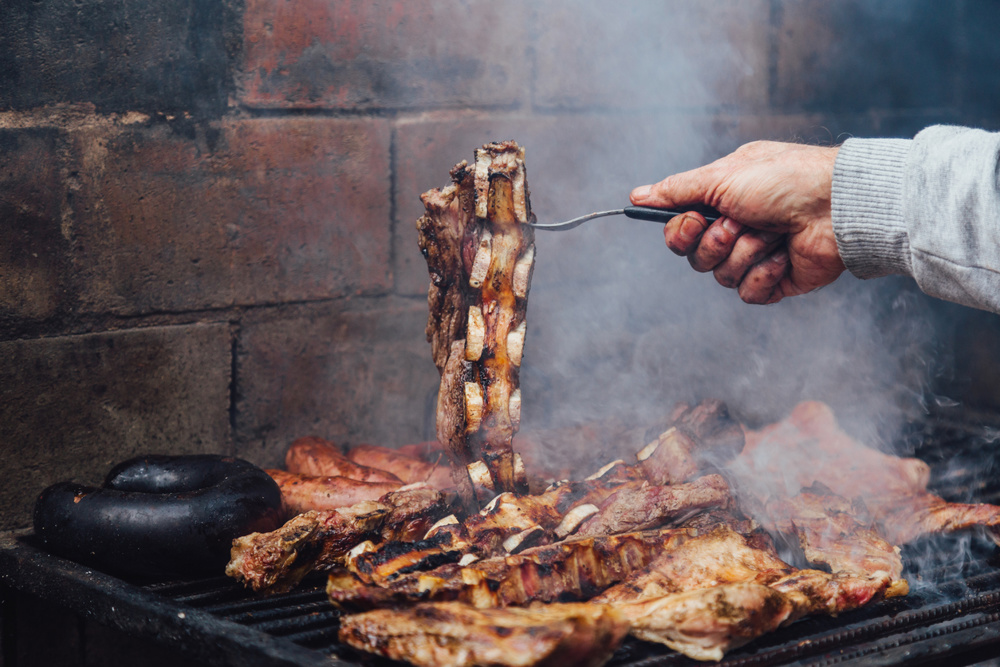
At the heart of the asado is the asador, the grill master who controls the fire. This role carries responsibility and respect. The process begins long before cooking, as the fire is carefully built and maintained until the heat is just right. Only then is the meat placed over the coals.
The variety of cuts is central to the experience. From beef ribs and steaks to sausages and organ meats, each piece is cooked slowly to preserve flavor and texture. The meal unfolds gradually, often lasting hours, encouraging conversation and connection. Asado isn’t rushed. It’s designed to bring people together, turning cooking into a shared experience. In Argentina, barbecue isn’t just food—it’s a reflection of identity and tradition.
Hawaii's Kalua Pork: The Ancient Underground Oven Still Used Today
On the other side of the world from Argentina's open flames, Hawaii's kalua pork tradition buries its fire entirely. You're looking at the imu, an underground pit dug 2-4 feet deep where lava rocks heat for 2-3 hours over burning kiawe hardwood. Once the rocks reach ideal temperature, workers clear the charcoal and place the salt-seasoned pig directly onto them.
The leaf wrapping technique is essential here. Banana or ti leaves encase the meat, locking in steam and infusing earthy, smoky flavor naturally. Dirt covers the entire pit, and the pig cooks undisturbed for roughly 8 hours. The result? Succulent, fall-apart tender pork with a distinctive smokiness that no oven can fully replicate. It's why Hawaiians still use this ancient method at luaus today.
Much like refreshing a home for spring, preparing a traditional imu feast often involves clearing accumulated clutter from outdoor spaces and thoroughly cleaning patios and surfaces to ready the area for guests. For those unable to access an imu, home cooks can approximate the flavor using liquid smoke and salt on a pork shoulder roasted low and slow in a conventional oven.
South Africa's Braai: The National Holiday Built Around a Grill
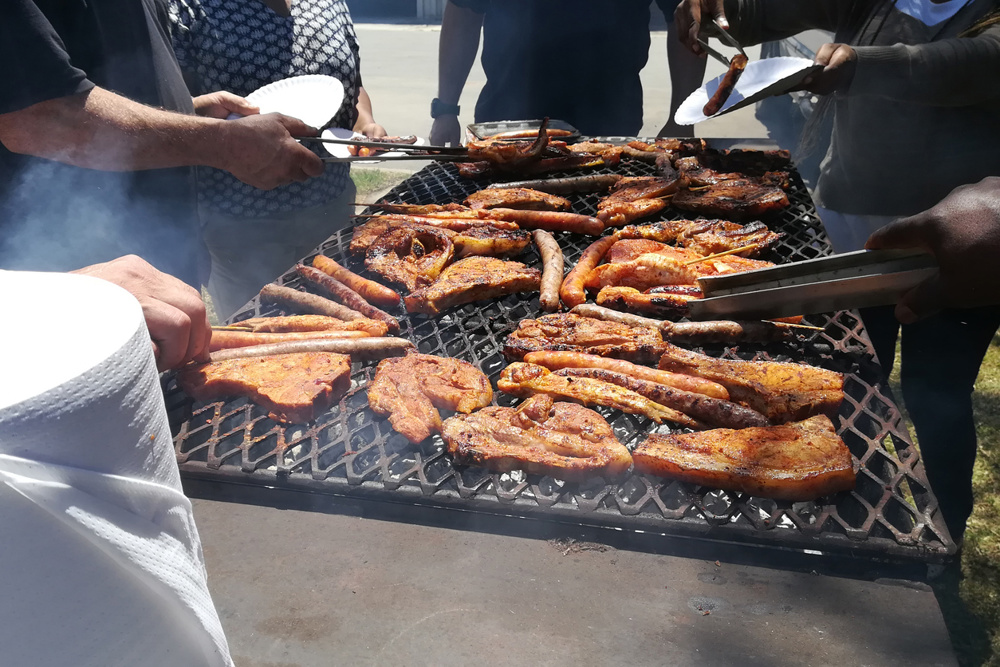
While Hawaii buries its fire, South Africa celebrates it openly—and nationally. Every 24 September, you'll find millions gathering around community fires for National Braai Day, a public holiday honoring heritage rituals through grilling. Here's what makes South Africa's braai culture unique:
- It's legally recognized as National Heritage Day, replacing King Shaka Day in 1994
- Archbishop Desmond Tutu served as National Spokesperson in 2007
- Boerewors, rump steaks, and braaibroodjies are staple grilled foods
- Jan Scannell launched the Braai4Heritage campaign uniting diverse communities
- Weather doesn't stop it—South Africans braai through rain and winter
You're not just cooking meat; you're participating in a tradition that transcends race, politics, and culture. The celebration brings together multiple generations around shared dishes, with laughter, music, and chilled drinks completing the atmosphere alongside the food.
Step deeper into the world of cooking with more fascinating food facts and trivia.
Korean Gogi-gul: Tabletop Grilling as a Social Ritual
Korean barbecue offers a completely different perspective by moving the grill directly to the table. Instead of a single cook controlling the process, everyone participates, turning the meal into a collaborative and interactive experience that unfolds in real time.
The setup is simple but intentional. A grill sits at the center of the table, surrounded by an array of side dishes known as banchan—kimchi, pickled vegetables, sauces, and small accompaniments that balance the richness of the meat. Diners cook their own portions, flipping cuts of beef, pork, or chicken while adjusting doneness to their personal preference. This shared responsibility removes the divide between cook and guest, making everyone equally involved.
What makes gogi-gui unique is how naturally it encourages connection. Cooking becomes part of the conversation. People talk while tending the grill, pass food to one another, and build wraps with lettuce, rice, and sauces. The pacing is slower and more deliberate, allowing the meal to stretch into a social experience rather than a quick dining moment.
Germany's BBQ: Bratwurst, Beer, and the Birthplace of the Hamburger
Germany’s barbecue tradition revolves around simplicity, quality, and consistency, with bratwurst serving as its most recognizable symbol. These sausages, developed over centuries, reflect a deep regional diversity, with each area offering its own variations in seasoning, preparation, and cooking methods.
Grilling in Germany is often tied to outdoor gatherings, seasonal festivals, and casual social events. Unlike more elaborate barbecue traditions, the focus here is not on complexity or long cooking processes but on creating an enjoyable, relaxed atmosphere. A grill, a selection of sausages, fresh bread, mustard, and beer are often all that’s needed to bring people together.
Despite its simplicity, there is precision behind the process. Sausages are carefully prepared and cooked to maintain their texture and flavor. Techniques like gently simmering bratwurst before grilling or using specific types of wood or fuel reflect a quiet attention to detail that defines the tradition.
Brazil's Churrasco: All-You-Can-Eat Meat Served Tableside
Brazil's churrasco tradition takes meat-eating to an entirely different level. Rooted in Gaucho cowboy culture from southern Brazil, it began with skilled herders grilling meats on skewers over open flames — and that spirit hasn't changed. Today, you'll experience rodízio-style dining where Gaucho chefs bring the food directly to you, carving fresh slices tableside with precision skewer techniques perfected over generations.
You'll enjoy 15-17 cuts per meal, including picanha, beef ribs, lamb chops, and premium wagyu options. Gaucho etiquette keeps the experience seamless — you simply flip a card to signal when you're ready for more.
A full market table with Brazilian sides, imported cheeses, and feijoada rounds everything out. Dinner pricing typically runs $49–$75 per person, making it a feast worth every bite. For those seeking an authentic churrasco experience closer to home, Texas de Brazil in Ann Arbor offers traditional tableside service with dinner priced at $56.99 per person.
Open Flame vs. Underground Pit: How BBQ Techniques Differ by Culture
From the tableside theater of churrasco to the world's broader grilling traditions, cooking method matters just as much as the meat itself. Fire management and thermal retention separate two dominant approaches:
- Direct flame grilling runs 500–700°F, ideal for small, tender cuts
- Underground pits maintain 200–300°F through stone and earth thermal retention
- Philippine lechon pits reach 3–5 feet deep, lined with banana leaves and white-hot rocks
- Papua New Guinea's mumu layers hot stones beneath grass, fiber sacks, and banana leaves
- Open flame cooking consumes substantially more fuel than enclosed or underground methods
You'll find that culture shapes not just flavor, but the entire philosophy behind how heat meets meat. Indirect grilling positions food beside rather than over the fire, allowing larger, fattier cuts to cook slowly without burning.
The Unwritten Social Rules Every BBQ Culture Follows
Barbecue traditions are guided by more than recipes—they are shaped by unwritten rules that define how people behave within the experience. These expectations ensure that gatherings remain respectful, enjoyable, and culturally consistent.
In many cultures, roles are clearly defined. There may be a designated cook whose authority over the grill is not questioned, or a hierarchy that determines who eats first. In other settings, responsibilities are shared, with everyone contributing to the preparation and cooking process.
Etiquette also extends to how food is served and consumed. Sharing is often expected, and taking more than your share can be seen as disrespectful. In some cultures, refusing food or drink may be considered impolite, while in others, moderation is emphasized.
These rules are rarely spoken outright, yet they are widely understood. They guide interactions subtly, shaping the overall experience without the need for formal instruction. Ultimately, these social expectations reinforce the idea that barbecue is about more than food. It is about how people come together, respect one another, and participate in a shared cultural moment.
How to Recreate an International BBQ Tradition in Your Own Backyard
Bringing an international BBQ tradition into your backyard is easier than you think — you just need the right ingredients, technique, and mindset. Whether you're building a backyard parrilla or firing up a portable tandoor, authentic flavors are within reach.
Here's what you need to recreate five iconic BBQ traditions:
- Argentine Asado – Use wood or charcoal, slow-cook beef ribs and chorizo, and serve chimichurri sauce
- Indian Tandoori Chicken – Marinate chicken in yogurt overnight and grill at high heat
- Japanese Yakitori – Skewer chicken, use binchotan charcoal, and season with salt or tare glaze
- Mexican Alambre de Res – Grill beef skewers and assemble in warm tortillas with salsa
- German Bratwurst – Simmer sausages in a beer-and-spice blend before grilling
For a Korean-inspired option, Kalbi short ribs use a marinade of fresh Asian pear, apple, and kiwi to tenderize well-marbled fatty ribs before they're grilled to caramelized perfection.
Conclusion
Barbecue is one of the few traditions shared across nearly every culture, yet it remains deeply personal and unique in each place. It reflects history, environment, and identity, turning simple ingredients into meaningful experiences. What makes barbecue special isn’t just the technique—it’s the way it brings people together.
Whether it’s a backyard gathering, a national celebration, or a family ritual, barbecue creates moments of connection that extend beyond the meal. In the end, barbecue isn’t just about fire and food. It’s about community, culture, and the enduring human desire to gather, share, and belong.