A Year-Round BBQ Calendar for Grill Lovers
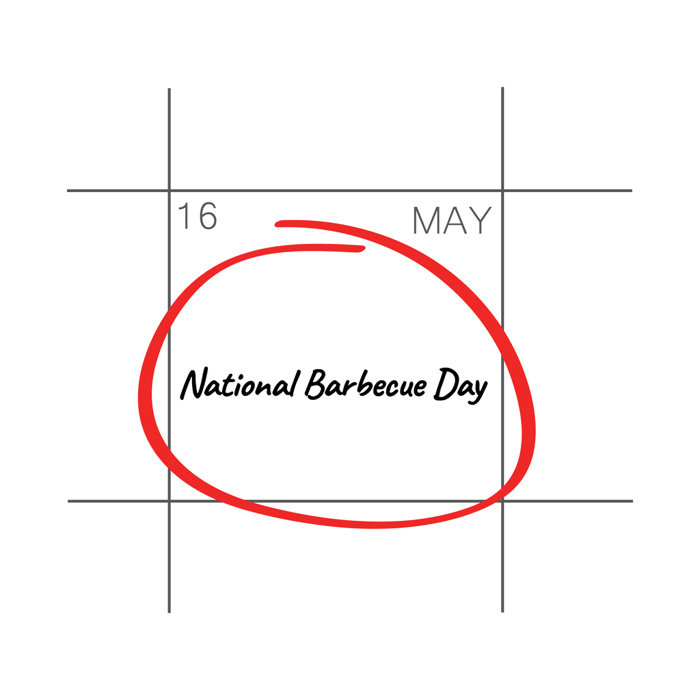
Barbecue isn’t just a summer activity—it’s a year-round rhythm shaped by weather, culture, and tradition. From early spring warm-ups to peak summer cookouts and fall slow-smoke sessions, every season offers a different way to approach the grill. What changes isn’t the passion—it’s the style, pace, and ingredients.
Across the United States, regional influences and seasonal shifts create a natural BBQ calendar. Southern states may start in March, while colder regions ease in later. Summer brings high-energy gatherings, while cooler months favor slower, more deliberate cooks. When you align your grilling habits with these seasonal patterns, BBQ becomes more than occasional—it becomes part of your lifestyle.
March and April BBQ Dates Every Griller Should Know
As winter fades, March and April mark the true beginning of the grilling year for many. In Southern states like Georgia, Alabama, and Arkansas, consistent temperatures above 50°F make it possible to fire up the grill as early as March. These early sessions often feel like a return—testing equipment, revisiting techniques, and easing back into outdoor cooking.
Further north, states like Tennessee, Missouri, and much of the Mid-Atlantic region begin their season in April. Longer daylight hours make weeknight grilling more practical, while weekends become opportunities for longer cooks. This is the ideal time to experiment with brisket, pork shoulder, or ribs before the intensity of summer heat sets in.
Spring grilling also encourages flexibility. Weather can still be unpredictable, so grillers often mix outdoor cooking with indoor alternatives like cast iron or oven finishing. This hybrid approach keeps the momentum going while adapting to changing conditions. More importantly, it builds consistency—turning occasional grilling into a habit that carries through the rest of the year.
May's National BBQ Month and Brisket Season Highlights
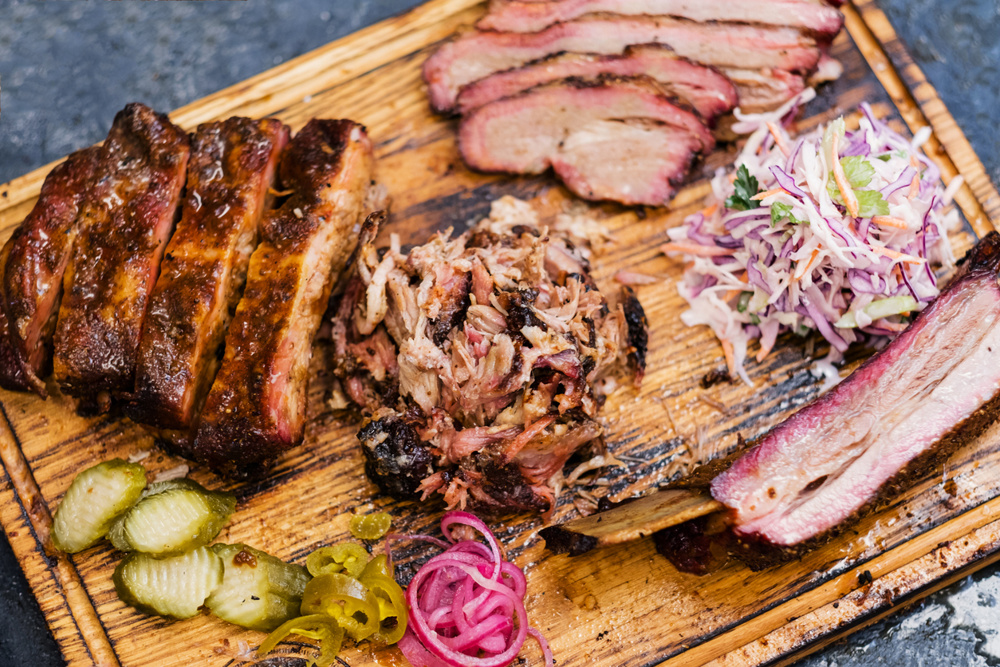
May is where the BBQ calendar truly comes alive. Recognized as National Barbecue Month, it offers a full stretch of time dedicated to grilling, smoking, and experimenting. Warmer temperatures and longer days make outdoor cooking feel natural again, and gatherings become more frequent.
This is also prime brisket season. With stable weather conditions, grillers can focus on mastering low-and-slow techniques without the complications of extreme heat or cold. Brisket becomes a centerpiece—not just a meal, but a project. From trimming to seasoning to managing temperature over hours, the process itself becomes part of the enjoyment.
May also encourages expansion beyond basics. While traditional meats remain central, many grillers begin experimenting with sides and alternatives—grilled vegetables, smoked cheeses, and even desserts. Hosting becomes more interactive, with guests participating in preparation or contributing dishes. The result is a more social, immersive BBQ experience that sets the tone for summer.
Put together your own grilling calendar to keep track of year-round BBQ Celebrations!
Summer BBQ From July's Burger Days to August Fajitas
Summer is the peak of BBQ culture, and July stands at its center. The Fourth of July anchors the month, bringing together large gatherings, classic recipes, and a sense of celebration that defines the season. Burgers and hot dogs dominate, not just because they’re simple, but because they’re communal—easy to prepare, easy to share, and instantly recognizable.
High heat also changes how you grill. Faster cooking methods become more common, with high temperatures allowing for quick searing and shorter sessions. This is the season of spontaneity—last-minute cookouts, casual gatherings, and extended evenings outdoors.
By August, the focus begins to shift slightly. Flavors become bolder, with marinades, spices, and international influences taking center stage. Fajitas, grilled seafood, and heavily seasoned cuts reflect a more experimental approach. Late-night grilling becomes more common, as cooler evenings make longer sessions comfortable again.
How BBQ Traditions Turn Into Seasonal Rituals
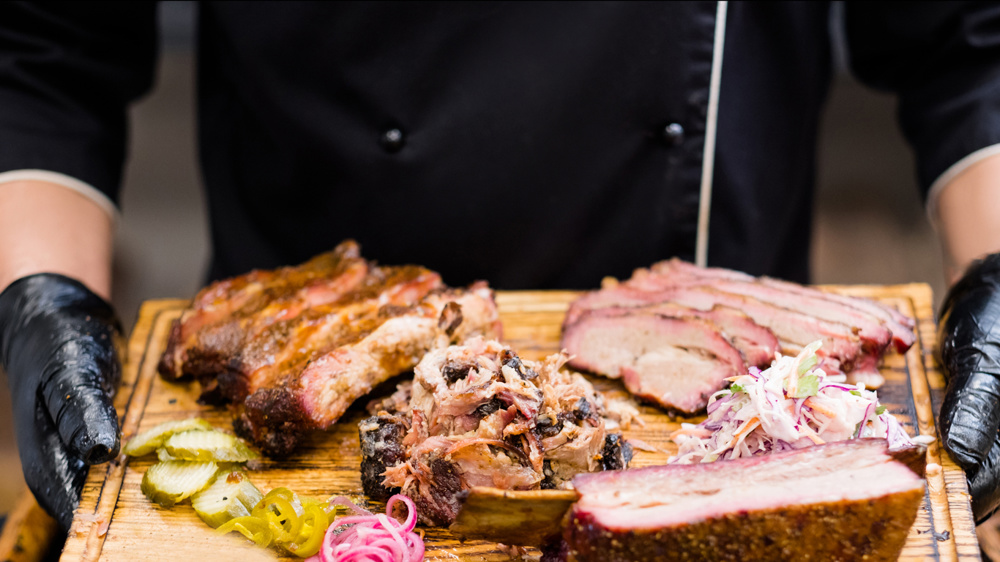
As you follow a BBQ calendar throughout the year, certain moments begin to repeat—and those moments gradually turn into rituals. These aren’t just cooking sessions; they become expected events tied to specific times of year. The Fourth of July cookout is one of the most recognizable examples, but smaller traditions develop as well.
Early spring grilling sessions, late-summer fajita nights, and fall slow-smoke weekends all become part of a personal rhythm. Over time, these patterns create anticipation, giving each season its own identity. Rituals also strengthen social connections. Friends and family come to expect certain gatherings, and those expectations build continuity.
The experience becomes less about a single meal and more about returning to something familiar and meaningful. This transformation—from occasional activity to recurring ritual—is what deepens the appeal of BBQ. It creates a sense of structure and memory, turning simple cooking into something that feels significant across time.
Regional BBQ Styles That Shape Your Grilling Season
Throughout the year, regional styles influence what ends up on your grill. Each tradition carries its own philosophy, shaping not just flavors but techniques and timing.
Carolina barbecue emphasizes whole-hog cooking and vinegar-based sauces, creating a tangy, balanced profile. Texas focuses on beef, particularly brisket, with minimal seasoning and an emphasis on smoke. Memphis highlights pork ribs, offering both dry rub and sauced variations, while Kansas City leans into sweeter, thicker sauces.
Further west, California’s Santa Maria style showcases tri-tip over red oak, emphasizing simplicity and clean flavors. In the South, Alabama’s white sauce adds a distinct twist, while Kentucky’s smoked mutton introduces a less common but deeply traditional option.
These regional approaches provide variety throughout the year. They encourage grillers to experiment, adapt, and explore different techniques. Over time, they shape personal style—blending influences into something unique.
How Planning Ahead Elevates Your BBQ Game
A year-round BBQ approach isn’t just about reacting to the moment—it’s about planning ahead. The best results often come from preparation, whether that means selecting the right cut of meat, scheduling long cooks, or aligning recipes with seasonal conditions.
Planning allows you to take on more complex projects. Brisket, for example, requires hours of attention and precise timing. By choosing the right day and preparing in advance, you create the conditions for success rather than relying on improvisation. It also improves consistency. When you track what works—timing, temperature, seasoning—you build a personal system that you can refine over time. This turns BBQ into a skill that develops steadily rather than randomly.
More importantly, planning enhances the overall experience. It reduces stress, increases confidence, and allows you to focus on the process itself. Instead of rushing, you approach each session with intention, making the results more satisfying and repeatable.
Year-Round BBQ Prep: Grill Maintenance for Every Season
A consistent BBQ routine depends on consistent maintenance. Each season brings different demands, and keeping your grill in top condition ensures that every session runs smoothly. Spring is about preparation. After months of limited use, grills need inspection—checking gas lines, cleaning grates, and running a high-heat burn to remove residue. This sets the foundation for the months ahead.
Summer requires frequent upkeep. With increased usage, grease buildup and residue become more common. Regular cleaning—especially of drip trays and burners—keeps performance consistent and prevents issues. Fall shifts toward deeper maintenance. As usage begins to slow, it’s the right time for thorough cleaning and minor repairs. Protecting the grill with a quality cover becomes essential, especially in regions with changing weather.
Winter focuses on preservation. Even if grilling slows down, maintaining dryness and preventing rust ensures the grill is ready when the cycle begins again. This ongoing care extends the lifespan of your equipment and keeps your BBQ calendar uninterrupted.
How Seasonal BBQ Keeps the Experience Fresh
One of the biggest advantages of a year-round BBQ approach is variety. Each season naturally changes how you cook, what you cook, and even why you cook. Instead of repeating the same recipes, you respond to shifting conditions—temperature, daylight, ingredient availability—and that keeps the entire experience from becoming predictable.
Spring acts as a reset. After slower winter months, grillers return with fresh ideas, testing new recipes and refining techniques. It’s a period of rebuilding habits and experimenting without pressure. Summer, by contrast, is all about energy. Larger gatherings, faster cooking methods, and high-heat grilling dominate, turning BBQ into a social centerpiece rather than just a cooking method.
As temperatures drop, fall introduces a slower rhythm. This is when long cooks—brisket, pork shoulder, ribs—feel most natural. Cooler air makes extended smoking sessions more comfortable, and flavors often shift toward deeper, richer profiles. Winter, where grilling is still possible, becomes more intentional. It’s less frequent but more focused, often reserved for dedicated sessions or special occasions.
Why BBQ Becomes a Lifestyle, Not Just a Hobby
When you follow a BBQ calendar throughout the year, grilling gradually shifts from an occasional activity into a consistent part of your life. It starts with planning a few cookouts, but over time it influences how you organize your schedule, shop for ingredients, and even structure your weekends.
This transformation happens subtly. You begin thinking ahead—choosing cuts of meat based on upcoming weather, preparing marinades in advance, or setting aside time for long smoking sessions. What once felt like an event becomes a routine, and that routine becomes part of your identity.
Hosting also plays a role in this shift. BBQ naturally brings people together, and repeated gatherings create a rhythm of social interaction tied to your cooking. Friends and family begin to associate you with these experiences, reinforcing the idea that BBQ is part of who you are, not just something you do.
Conclusion
A year-round BBQ calendar proves that grilling isn’t limited to one season—it’s a continuous cycle shaped by weather, culture, and personal preference. Each part of the year offers something different, from early spring restarts to peak summer gatherings and slower fall sessions.
By following this rhythm, BBQ becomes more than an activity. It becomes a way to structure time, connect with others, and explore new ideas through food. The grill is no longer just a tool—it’s a constant presence. No matter the season, there’s always a reason to light the coals.