Austin’s Iconic BBQ and Outdoor Grilling Culture
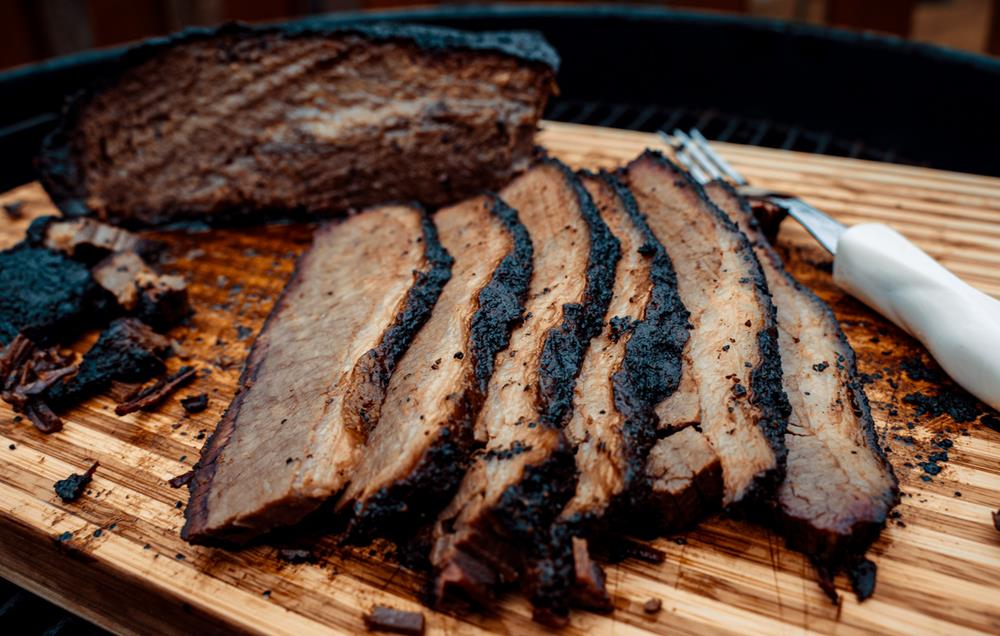
You'll discover Austin's barbecue culture emerged from 19th-century German and Czech immigrants who brought traditional meat-smoking and butchery techniques to Central Texas. Their minimalist approach—simple salt-and-pepper rubs, post oak wood, and low-and-slow indirect heat—became the foundation for what is now a world-renowned culinary tradition. Franklin Barbecue’s 2015 James Beard Award helped elevate Austin’s national reputation, while long-standing institutions like Sam’s Bar-B-Que continue to represent the city’s deep-rooted heritage. This distinctive style prioritizes brisket over pork, serves sauce on the side, and produces the signature blackened bark that defines Central Texas barbecue.
How German Immigrants Created Austin's BBQ Tradition
During the mid-1800s, German and Czech immigrants settled in Central Texas, bringing with them butchery skills and meat preservation techniques that shaped the region’s barbecue identity. Their approach began in meat markets, where smoking meat was a practical method for preservation before refrigeration. Over time, this evolved into a culinary tradition built on simplicity—salt, pepper, smoke, and quality beef. This philosophy emphasized letting the meat speak for itself rather than relying on heavy sauces. Towns like Lockhart, widely considered the “Barbecue Capital of Texas,” became central to this style and helped define the region’s reputation.
Austin's Oldest BBQ Joints Still Smoking Meat Today
View this post on Instagram
While Austin’s barbecue scene continues to evolve, several long-standing establishments preserve its traditional roots.
| Restaurant | Established | Signature Approach |
| Sam’s Bar-B-Que | 1957 | East Austin staple known for brisket and ribs |
| Stubb’s Bar-B-Q | 1968 | Combines barbecue with live music culture |
| Iron Works Barbecue | 1978 | Classic Central Texas style near downtown |
| Rudy’s Country Store & Bar-B-Q | 1989 | Casual, consistent barbecue with multiple locations |
These spots reflect decades of consistency, maintaining straightforward techniques that continue to attract locals and visitors alike.
Why Austin Pitmasters Use Traditional and Modern Smoking Methods
Austin barbecue has evolved from traditional brick pits to include modern smokers such as offset and rotisserie-style pits. While older brick pits were foundational, many restaurants transitioned to steel offset smokers or commercial pits for better consistency and volume. Modern systems allow pitmasters to maintain steady temperatures and produce large quantities of meat daily, while still preserving the wood-fired flavor essential to Central Texas barbecue. Despite technological changes, the emphasis remains on craftsmanship, fire management, and time.
Why Austin Pitmasters Choose Post Oak
Post oak remains the defining wood of Central Texas barbecue because it produces a clean, mild smoke that enhances rather than overwhelms the meat. It burns steadily, allowing for consistent temperature control during long smoking sessions. This results in the deep bark and smoke ring that define high-quality brisket. While mesquite is used in other parts of Texas, Austin pitmasters favor post oak for its balanced flavor and reliability.
How Austin BBQ Menus Expanded Beyond Tradition
While traditional barbecue remains central, Austin’s modern pitmasters have expanded menus to include creative cuts and global influences. You’ll now find smoked beef cheeks, turkey, pork ribs, and even lamb alongside brisket. Sides have also evolved from simple coleslaw and beans to dishes like smoked vegetables, mac and cheese, and seasonal salads. Some restaurants blend barbecue with contemporary dining, offering cocktails, curated menus, and full-service experiences while still honoring traditional techniques.
When Fatty Brisket Became the Most Requested Cut
View this post on Instagram
In earlier decades, lean brisket was preferred, and fatty portions were often reserved for chopped sandwiches. Today, the fatty point is widely considered the most flavorful cut. Advances in smoking techniques and the use of higher-quality beef allow fat to render properly, creating a tender, rich texture. Many customers now specifically request fatty brisket, making it a premium offering.
How Franklin BBQ Put Austin on the National Map
Franklin Barbecue played a major role in bringing national attention to Austin’s barbecue scene. Known for its long lines and consistently high-quality brisket, the restaurant became a destination for food enthusiasts. Aaron Franklin’s 2015 James Beard Award marked a milestone, highlighting barbecue as a serious culinary craft. This recognition helped position Austin as a leading destination for authentic Central Texas barbecue.
Where to Eat Classic Central Texas BBQ in Austin
View this post on Instagram
Austin offers a wide range of barbecue spots that showcase both tradition and innovation:
- Franklin Barbecue – Famous for brisket and long wait times
- La Barbecue – Known for high-quality meats and house-made sides
- Terry Black’s Barbecue – A popular spot for beef ribs and classic plates
- Micklethwait Craft Meats – A trailer-turned-destination with house-made sausages
- Leroy and Lewis Barbecue – A modern take on Texas barbecue with creative cuts
- Cooper’s Old Time Pit Bar-B-Que – Offers a wide variety of smoked meats
These locations highlight the diversity of Austin’s barbecue scene while staying rooted in Central Texas traditions.
What Makes Austin BBQ Different From the Rest of Texas
Austin’s barbecue style stands apart due to its minimalist philosophy and beef focus. Key characteristics include:
- Simple seasoning using salt and pepper
- Emphasis on brisket as the primary meat
- Use of post oak wood
- Sauce served on the side rather than applied during cooking
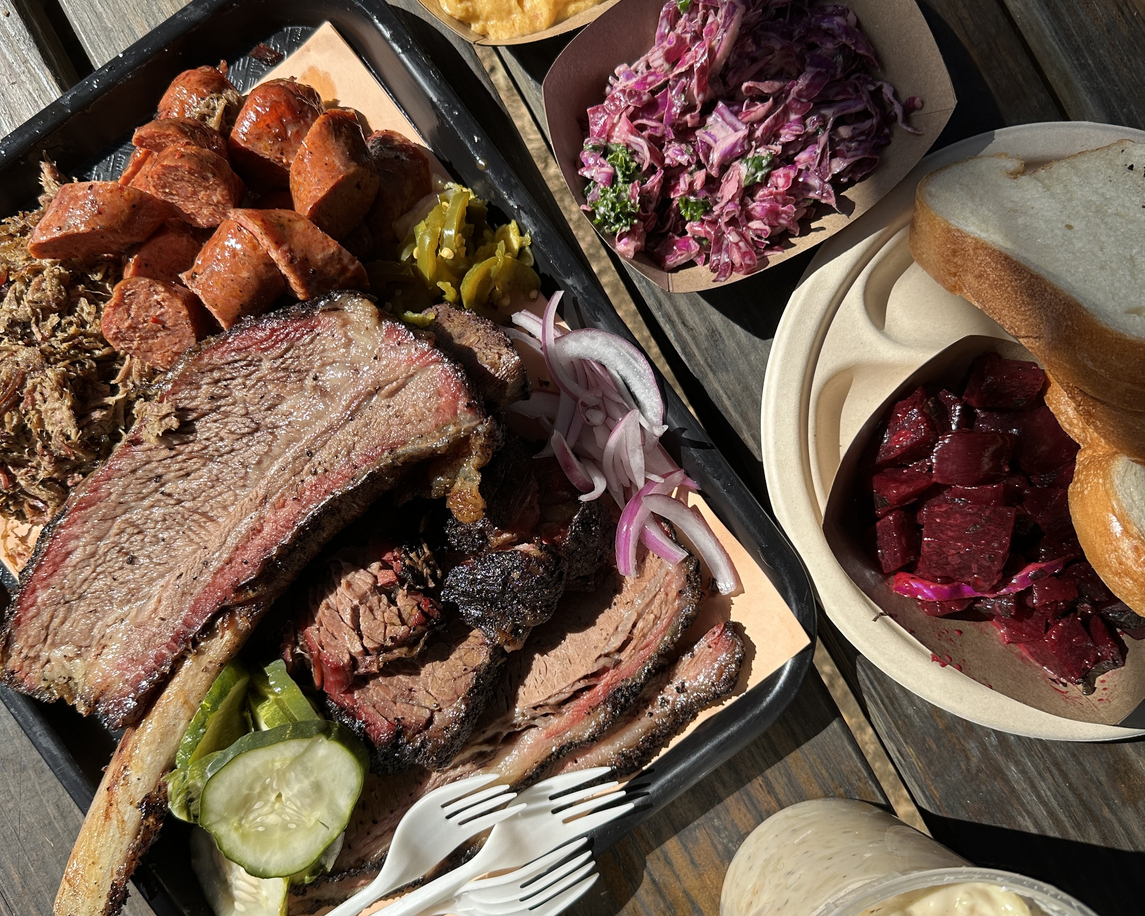
Traditional accompaniments like white bread, pickles, and onions complete the experience.
How Austin BBQ Shaped Modern Texas Restaurant Culture
Austin’s barbecue tradition has influenced restaurant culture across Texas by establishing standards of quality, technique, and authenticity. The emphasis on early-morning preparation, precise temperature control, and consistent execution has shaped how modern kitchens operate. Barbecue in Austin is more than food—it’s a shared cultural experience where community, tradition, and craftsmanship come together.