How BBQ Hosting Turned Entertaining into Pop Culture
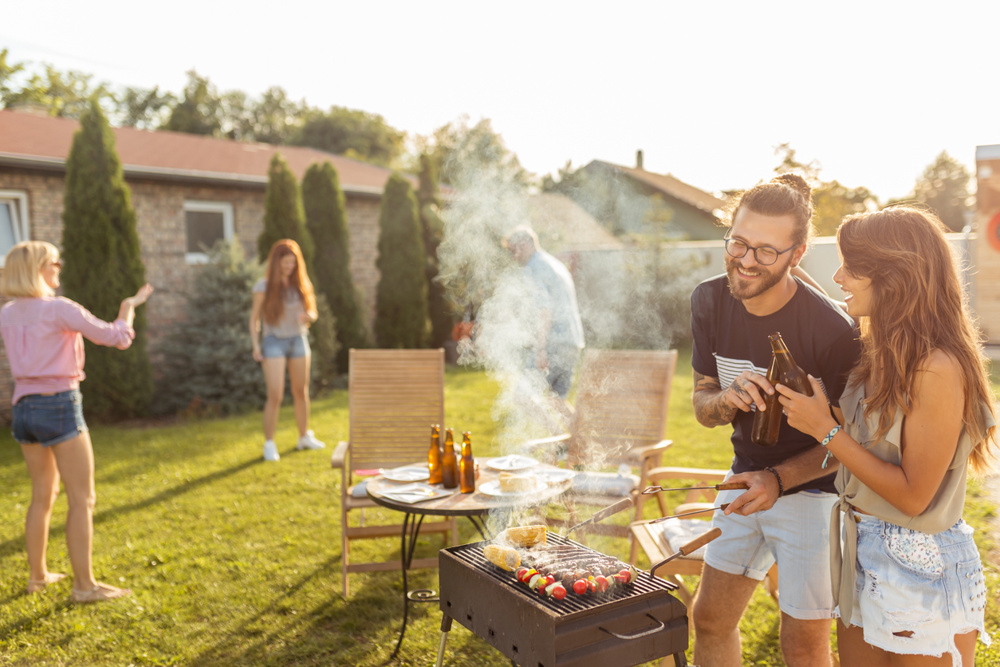
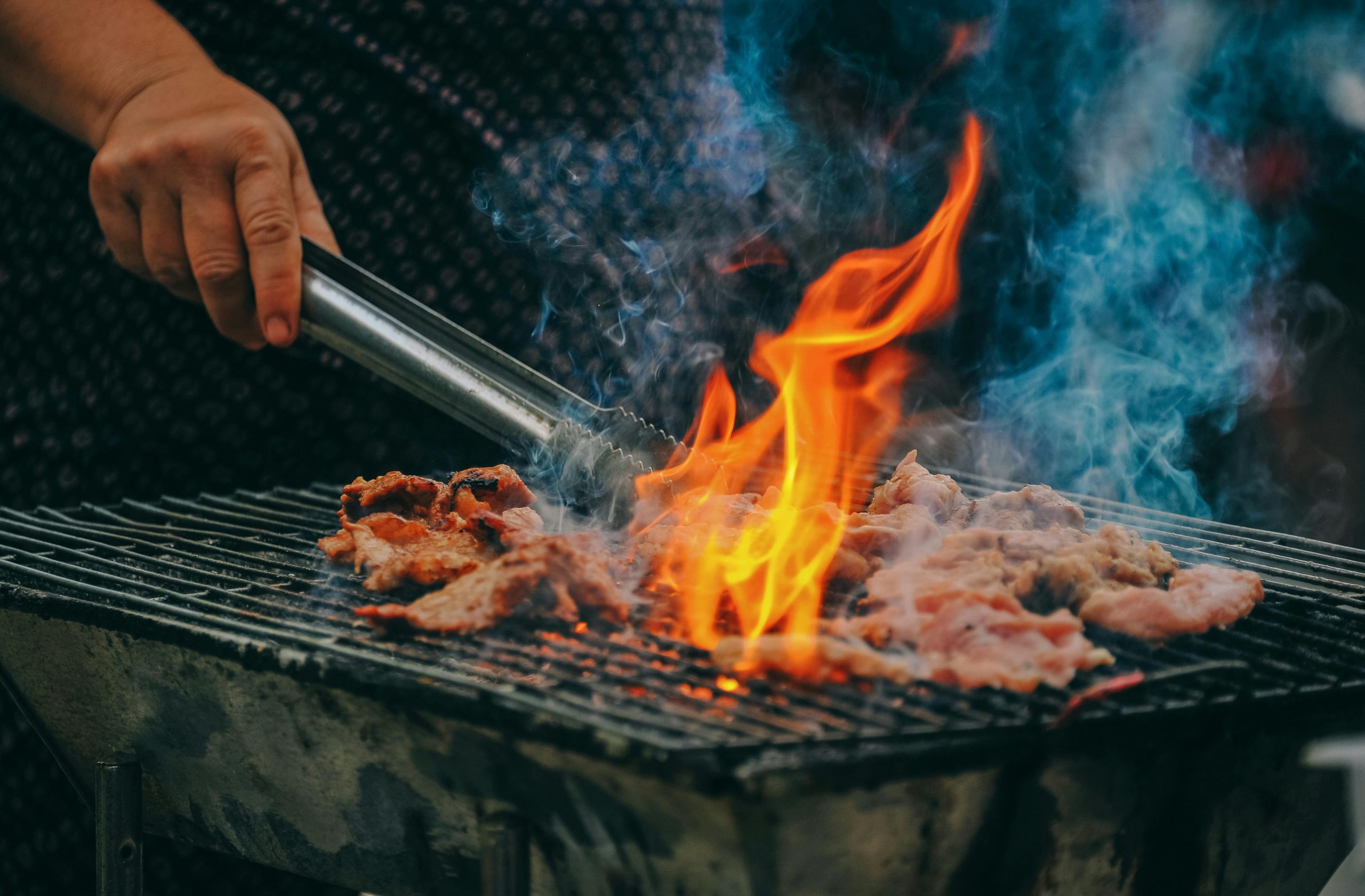
Backyard BBQ hosting might seem like a simple social activity—friends, food, and a grill—but its roots run far deeper. What began as a method of cooking over open flames evolved into a cultural practice shaped by history, community, and identity. Over time, it transformed from necessity into ritual, and eventually into a form of entertainment that now sits firmly within pop culture.
Today, BBQ hosting is more than just preparing food. It is performance, creativity, and social connection all at once. From competitive circuits to streaming platforms and social media, the act of hosting a BBQ has become a shared cultural language—one that continues to evolve while staying grounded in its origins.
How BBQ Hosting Became a Cultural Ritual
Barbecue’s origins trace back to Indigenous Caribbean cooking methods, where meat was slow-cooked over wooden frameworks. Enslaved Africans later deepened this tradition, blending their own culinary knowledge with these techniques to create something new—something rooted in survival but shaped by resilience and community.
By the mid-1700s, barbecue had become central to gatherings in the American South. It wasn’t just about food; it was about bringing people together. Large-scale cookouts marked holidays, political events, and communal celebrations, reinforcing the idea that barbecue was as much about connection as it was about cooking.
Over time, this ritualized gathering became embedded in American culture. BBQ hosting evolved into a social tradition that emphasized hospitality, shared experience, and collective participation. Even today, when someone hosts a BBQ, they are continuing a legacy built on community and cultural expression.
The BBQ Competitions That Shaped How America Hosts
As barbecue became a widespread social activity, competition naturally followed. Organizations like the Kansas City Barbeque Society (KCBS) and the Memphis Barbecue Network (MBN) formalized what had once been informal gatherings, turning them into structured, high-level events.
These competitions introduced standards—specific cuts of meat, precise cooking techniques, and judging criteria—that elevated barbecue into a craft. Consistency, flavor, and presentation became measurable, pushing participants to refine their skills. What started as friendly rivalry evolved into a disciplined practice.
The influence of these competitions extends beyond the circuit. Everyday hosts have adopted these standards without realizing it. From how meat is prepared to how it is presented, competition culture has shaped expectations around what a “good” BBQ looks like. Hosting is no longer casual—it carries an element of performance and pride.
How TV and Streaming Turned Pitmasters Into Stars
The rise of food television and streaming platforms brought barbecue into the spotlight. Shows focused on grilling, smoking, and competition transformed pitmasters into recognizable personalities, giving audiences a deeper look into the craft.
Streaming platforms, in particular, expanded this reach. With on-demand access, viewers could engage with barbecue content anytime, learning techniques and developing an appreciation for the skill involved. This visibility elevated pitmasters from local experts to cultural figures.
As a result, BBQ hosting became aspirational. Viewers didn’t just watch—they wanted to replicate what they saw. Techniques, presentation styles, and even hosting formats began to mirror what appeared on screen, further blending entertainment with real-life experience.

How Celebrity Pitmasters Turned BBQ Hosting Into a Full-Blown Lifestyle
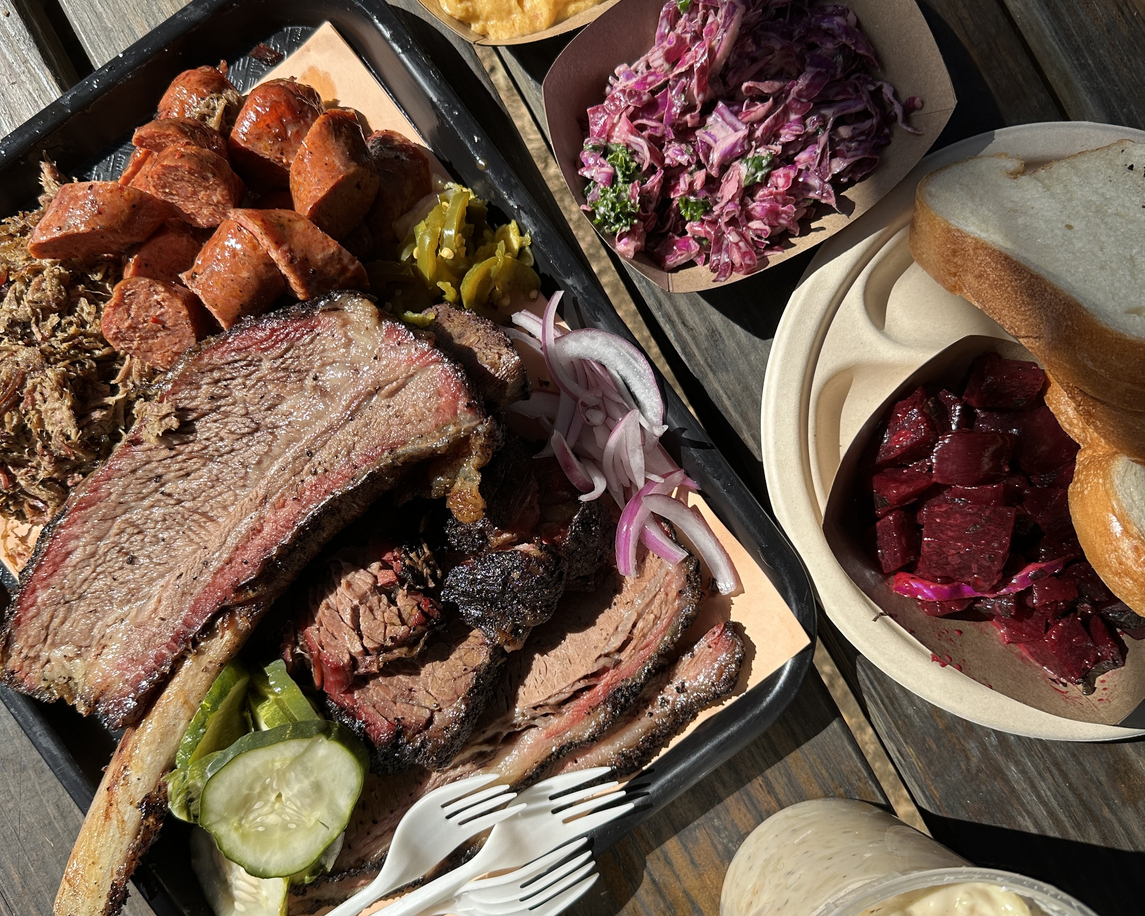
Streaming fame gave pitmasters a platform, but the smartest ones didn't stop at TV credits—they built full-blown lifestyle brands around their craft. Myron Mixon turned 180+ grand championships into cookbooks, judging roles, and entertainment deals. Aaron Franklin's brisket techniques became so influential that other legendary pitmasters adopted his methods. The Mueller family stretched their legacy across three generations, proving that pitmaster credibility compounds over time.
You can see the pattern clearly: competition wins created authority, authority created media opportunities, and media opportunities created lifestyle merchandise and celebrity kitchens that fans actually wanted to replicate at home. Larry McGuire opened six restaurants in six years riding that same momentum. BBQ hosting stopped being a regional pastime and became a fully branded, nationally recognized lifestyle that anyone could buy into.
Johnny Trigg, a two-time winner of the Jack Daniels World Championship Invitational, exemplifies how competition dominance can cement a pitmaster's place in the cultural conversation long before streaming ever enters the picture. Just as BBQ culture found new distribution channels through media and branding, organ transport innovators explored their own logistical breakthroughs.
How BBQ Hosting Reflects Personal Identity
BBQ hosting has increasingly become a form of self-expression. The way a host prepares food, designs the space, and structures the event reflects personal taste and identity. It is no longer just about feeding guests—it is about creating an experience that represents who you are.
Every decision contributes to this expression. The choice of cuisine, the style of presentation, even the type of music playing in the background all communicate something about the host. Some lean into tradition, focusing on classic techniques and familiar flavors, while others experiment with fusion and innovation.
This mirrors broader cultural trends where individuality is emphasized. Just as people curate their online presence, they curate their physical spaces and social events. BBQ hosting becomes an extension of that identity, blending personal style with shared experience. Because of this, no two BBQs feel exactly the same. Each gathering reflects the personality of the person behind it, turning a common activity into something unique and memorable.
Check out MrPopCulture.com and learn more about pop culture trends in grilling and BBQ hosting.
How Social Media Made BBQ Hosting a Pop Culture Moment
Social media blew the doors off BBQ hosting, transforming what was once announced through neighborhood flyers and newspaper listings into a full-scale pop culture moment. You're now living in an era where viral recipes spread faster than smoke through a backyard, and influencer collaborations turn local pitmasters into regional celebrities overnight.
Platforms like Instagram, Facebook, and X don't just promote events — they build communities. What started as a small backyard gathering can scale into your city's largest annual cookout through consistent digital engagement. Podcasting keeps your audience connected between events, while voice searches and Bluetooth-enabled vehicles expand your audio reach daily.
Social media doesn't replace the tradition of communal BBQ — it amplifies it, bridging digital announcements with the timeless experience of people gathering around fire and food. Nearly half of Americans report feeling lonely, making these digitally amplified BBQ community gatherings more vital than ever to emotional and mental well-being.
Smart Grills, Global Flavors, and What's Actually New in Backyard BBQ Hosting
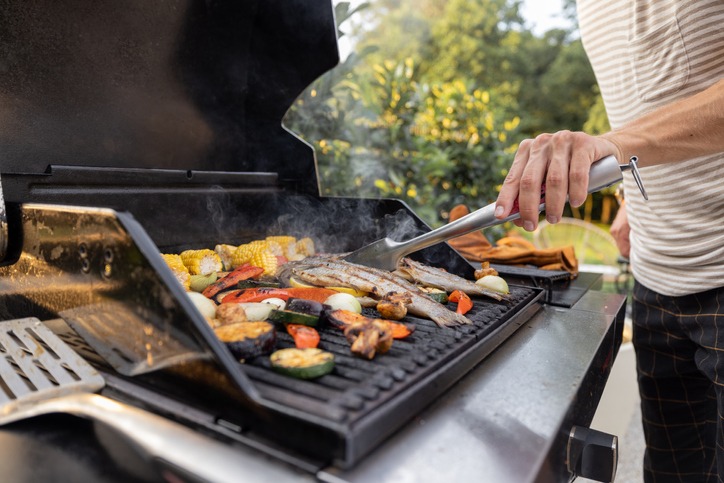
Backyard BBQ hosting has entered a new technological era, and if you haven't noticed the smart grill revolution yet, you're about to. Smart grill ecosystems now handle what used to require constant attention:
- AI systems like InnoGrill 2.0 autonomously manage cooking based on your commands
- Wi-Fi and Bluetooth connectivity let you monitor temperatures remotely via app
- Voice control through Alexa or Google Assistant adds hands-free convenience
- Preset automatic programs eliminate guesswork for beginners
These innovations free you to focus on what's actually exciting backyard hosts right now: global flavor mashups. Korean-smoked brisket, tandoori-spiced ribs, and miso-glazed chicken are appearing alongside traditional cuts.
Technology handles precision; you handle creativity. That combination is reshaping what backyard entertaining looks and tastes like. Some grills, like the Grillfürst G410E, feature an integrated infrared burner capable of reaching temperatures up to 800 °C, making professional-level searing accessible at home.
How BBQ Hosting Builds Community in a Digital Age
In an increasingly digital world, BBQ hosting provides something that feels almost rare—real, physical connection. While most interaction now happens through screens, messages, and algorithms, a backyard BBQ brings people into the same space, at the same time, sharing the same experience. That immediacy changes everything.
Unlike digital communication, which can feel fragmented or passive, BBQ gatherings are participatory. People contribute in small ways—bringing food, helping with preparation, or simply engaging in conversation. Cooking itself becomes collaborative, whether it’s tending the grill together or assembling plates. These shared actions create a sense of involvement that digital interactions rarely replicate.
There’s also an element of rhythm to BBQ hosting that strengthens connection. The slow pace of grilling, the anticipation of food, and the informal structure of the gathering allow conversations to unfold naturally. People stay longer, talk more freely, and engage more deeply. The experience isn’t rushed—it’s lived.
Why BBQ Hosting Continues to Evolve with Culture
BBQ hosting has never been fixed in one form. It evolves alongside the culture that surrounds it, absorbing new influences while maintaining its core identity. Each generation reshapes it, introducing new flavors, tools, and ways of gathering.
Cultural shifts play a major role in this evolution. As global cuisines become more accessible, traditional barbecue blends with international influences. Korean marinades, Middle Eastern spices, and Latin American techniques are now common in backyard settings. This fusion reflects a broader trend—food as a global language rather than a regional tradition.
Technology has also accelerated change. Smart grills, digital thermometers, and online tutorials have made advanced techniques more accessible. What once required years of experience can now be learned quickly, lowering barriers and encouraging experimentation. Hosting becomes less intimidating and more creative.
Media and social platforms further shape expectations. People draw inspiration from what they see online, adapting ideas to their own spaces. Trends spread quickly, influencing everything from presentation to menu design. BBQ hosting becomes part of a larger cultural conversation rather than a static tradition.
The Role of Food as a Cultural Connector in BBQ Hosting
Food has always been central to cultural exchange, and BBQ hosting amplifies this role. It brings together people from different backgrounds, using shared meals as a point of connection. The act of eating together creates a common ground that transcends differences.
Barbecue, in particular, lends itself to this kind of exchange. Its techniques are adaptable, allowing for a wide range of ingredients and flavors. This flexibility makes it easy to incorporate diverse culinary traditions into a single event.
Guests often bring their own influences into the mix, contributing dishes or ideas that expand the experience. This turns a BBQ into more than a single perspective—it becomes a blend of multiple cultures and tastes. Over time, these interactions shape how people understand food and each other. BBQ hosting becomes a space where cultural boundaries soften, replaced by shared enjoyment and curiosity.
Conclusion
BBQ hosting is far more than a casual gathering—it is a cultural practice shaped by history, innovation, and social connection. From its origins in survival and resilience to its current role in entertainment and media, it has continuously evolved while maintaining its core identity.
Today, it exists at the intersection of tradition and modernity. Technology, social media, and global influences have expanded its reach, turning it into a visible and dynamic part of pop culture. What remains constant is its purpose. Whether in a backyard or on a global stage, BBQ hosting continues to bring people together—transforming simple moments into shared experiences that resonate far beyond the meal itself.